Become Your Own Interior Designer | Designing Small Spaces: How to Maximise Functionality & Style
Small spaces come with big challenges, but they also offer some of the most exciting opportunities for creative design. Whether you live in a cosy apartment, a tiny house, or just have a few rooms that feel cramped, the key to designing a small space is finding the perfect balance between functionality and style.

In this blog post, we’ll explore how you can transform even the tiniest of spaces into a stylish, functional haven that feels anything but limiting. With a few smart design strategies, you can make the most of every square inch of your home.
If you’re ready to master the art of designing small spaces, the Self-Taught Designers Hub offers expert insights and practical tools to help you bring your vision to life.
Why Small Spaces Don’t Have to Feel Small
Designing a small space can feel overwhelming, but it’s also an opportunity to create a home that is more intentional, creative, and efficient. While large homes can be filled with unnecessary or bulky items, small spaces encourage thoughtful choices that serve both function and style.
Here’s why embracing a small space can actually be empowering:
1. It Forces You to Focus on What Matters Most
In a small space, every decision counts. You don’t have the luxury of filling rooms with extra furniture or decor that doesn’t serve a clear purpose. Instead, you’re given the opportunity to create a space that reflects what matters most to you, whether that’s comfort, functionality, or a specific aesthetic. With limited room, you’ll naturally focus on pieces that you truly love and need, resulting in a space that feels more personal and curated.
2. Efficiency Becomes Key
Small spaces encourage you to think creatively about how to use your available square footage. By designing with intention, you can make a small space feel more functional and versatile than a larger, less efficiently designed room. From multifunctional furniture to clever storage solutions, small spaces allow you to focus on maximizing efficiency without sacrificing style.
3. Small Spaces Can Be Cosy and Inviting
There’s something inherently charming about small, well-designed spaces. When done right, a small room can feel warm, cosy, and intimate. Rather than feeling like a limitation, the size of the space becomes an asset that fosters a more inviting and comfortable atmosphere.
How to Maximize Functionality in Small Spaces
Maximizing functionality in a small space is all about making smart, strategic choices. Here are some essential tips to help you create a home that feels spacious and efficient, no matter its size.
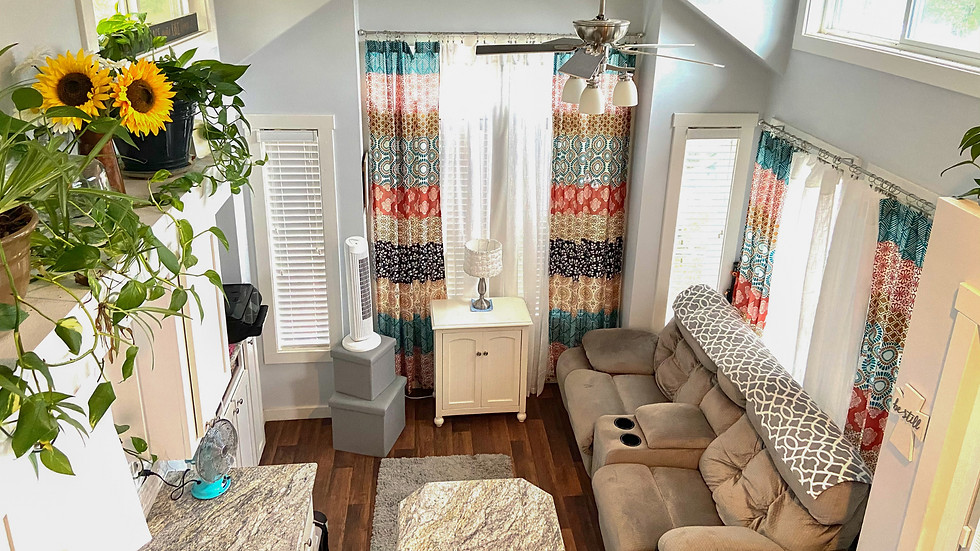
1. Choose Multifunctional Furniture
In a small space, every piece of furniture should serve more than one purpose. Opt for furniture that can be used in multiple ways, such as a sofa bed, an ottoman with hidden storage, or a coffee table that doubles as a desk. Multipurpose furniture helps you make the most of your space while keeping things functional and clutter-free.
Pro Tip: Look for furniture with built-in storage, like a bed frame with drawers underneath or a side table with shelves. This helps you maximise every inch of available space while keeping your room tidy.
2. Maximize Vertical Space
When you’re working with limited square footage, don’t forget about the vertical space available to you. Tall shelves, wall-mounted storage, and hooks can help you free up floor space while providing ample room for storing or displaying items.
Pro Tip: Use tall bookcases or open shelving to store items without taking up too much floor space. Hanging plants, artwork, or hooks for bags and jackets can also make use of vertical space while adding visual interest.
3. Keep It Light and Airy
Lighter colour schemes and ample lighting can make a small room feel much larger and more open. Dark, heavy colours can make a small space feel cramped, so consider using light shades of white, beige, or pastel tones to open up the room. Natural light is your best friend in a small space, so make sure to maximise it by using sheer curtains or reflective surfaces like mirrors to bounce light around the room.
Pro Tip: Mirrors are a powerful design tool in small spaces because they reflect light and create the illusion of a larger room. Place mirrors opposite windows or in areas where you want to enhance the sense of openness.
4. Declutter and Organize
Clutter is the enemy of small spaces. To make the most of your space, it’s essential to keep things organized and minimise unnecessary items. Invest in storage solutions like baskets, bins, and drawer organizers to keep everything in its place.

Pro Tip: Create a designated spot for everything in your home, from shoes to keys to books. This not only helps reduce clutter but also makes your home more functional and easier to maintain.
5. Define Separate Zones
In a small space, it’s important to clearly define different areas for different purposes, even within the same room. For example, you can create a distinct work area in a small living room by using a desk or table, paired with a rug or screen to delineate the space.
Pro Tip: Rugs, lighting, and furniture placement can help create visual boundaries that define different zones in your home, making it feel more organised and functional. This is especially important in studio apartments where living, dining, and sleeping areas may overlap.
How to Maximize Style in Small Spaces
Functionality is essential in a small space, but that doesn’t mean you have to sacrifice style. In fact, small spaces often allow for more creativity and bold design choices. Here are some tips for adding style to your small home without overwhelming it.
1. Use Statement Pieces Wisely
In small spaces, less is more, but that doesn’t mean you can’t have bold, eye-catching elements. The key is to choose one or two statement pieces, like a striking piece of artwork or a standout piece of furniture, and let them shine without overwhelming the room.
Pro Tip: Keep the rest of your decor simple and cohesive to ensure your statement pieces remain the focal point without cluttering the space.
2. Incorporate Texture and Layers
Even in a small space, texture and layers can add depth and dimension. Use cozy textiles like throw blankets, cushions, or area rugs to create a sense of warmth and interest. Layering textures, such as a soft rug on a wooden floor or a velvet cushion on a leather chair, brings style and personality into the room.
Pro Tip: Stick to a consistent colour palette to keep the room from feeling too busy. Layering within the same colour family creates a more cohesive and polished look.

3. Go Vertical with Art and Decor
When floor space is limited, turn to your walls for decoration. Hanging artwork, shelves, or even plants on the walls adds personality without taking up precious floor space. Vertical decor draws the eye upward, making the room feel larger and more visually interesting.
Pro Tip: Don’t be afraid to create a gallery wall or use large art in a small space. The right pieces can make a bold impact without overwhelming the room.
4. Embrace Your Personality
One of the most enjoyable aspects of designing a small space is that you can infuse it with personality. Since you have less room to fill, every item you choose matters, so select pieces that make you happy and reflect your style.
Pro Tip: Use personal mementos, unique decor, or custom artwork to make the space feel like home. Don’t be afraid to break design “rules” to create a space that feels personal and welcoming to you.
In Conclusion | Become Your Own Interior Designer
Designing a small space comes with unique challenges, but it also opens up opportunities for creativity, efficiency, and personal style. With the right strategies in place, you can create a home that feels both functional and stylish, no matter its size.
If you’re ready to become your own interior designer and master the art of small space design, the Self-Taught Designers Hub is here to guide you. Our 'Discover the Designer in You' Masterclass offers expert advice and actionable tips to help you confidently design any space, large or small. With over 20 years of professional experience, our self-taught approach empowers you to take control of your home’s design, no matter where you start.
Join us today and unlock the potential of your small space—plus, enjoy FREE resources to get started on your design journey!


Comments